Our Principles
- Refine: Every test must be accompanied by continuous improvement.
- Scientific: Strictmethods ensure the accuracy of the results.
- Accurate: You can trustdata, you can rely on results .
- Professional: Expertise that can provide deep
- Meticulous: No detail will be overlooked, and no variable will be ignored.
- Precise: Accurate measurement, clear presentation.
Who Are We?
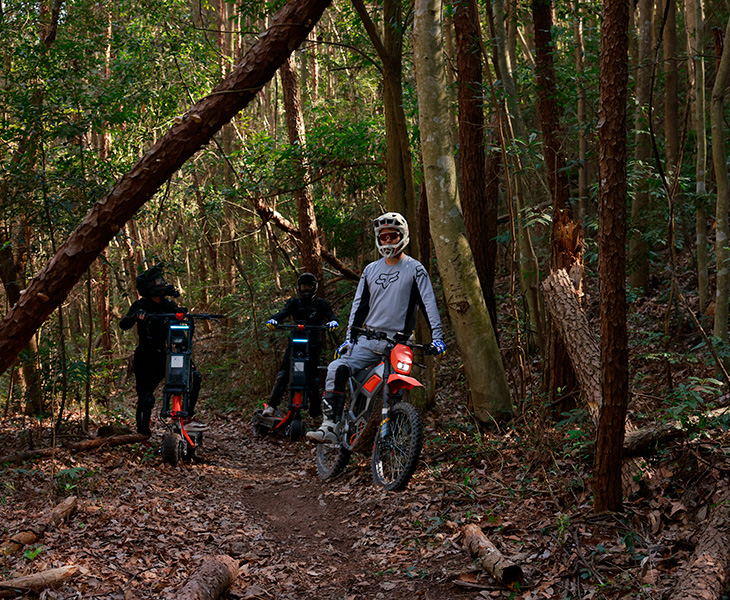
We embrace the mission of Quality Guardians. Through precise testing, we uncover hidden risks, enhance product quality, and empower corporate clients. We have 10 professional testing staff, and our Testing Center Manager brings over a decade of experience. Our team includes 5 independent riding test staff, with professional off-road racers participating in the team. Additionally, we collaborate with third-party testing centers and are supported by consultants.
Our Scale
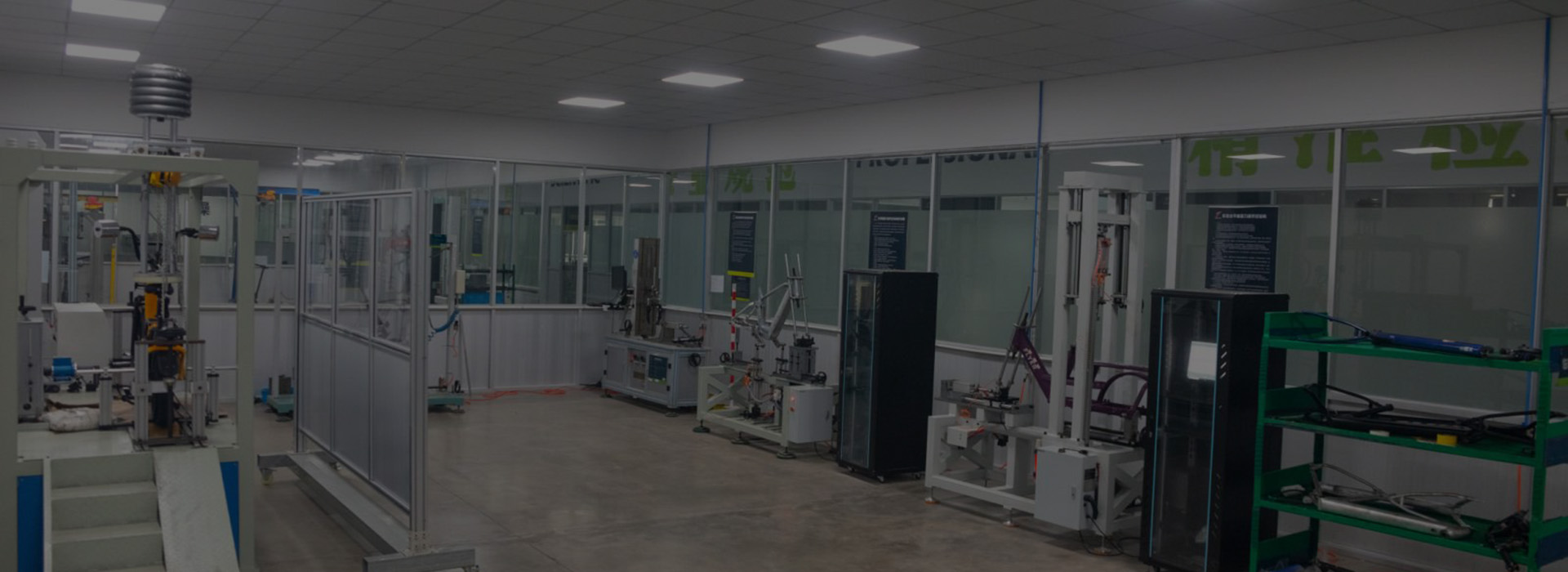
We have a laboratory area of 4,500 sq m, 123 professional testing equipment, and 2 professional simulated tracks—indoor and outdoor riding area.
Outdoor
Riding Area
…………….
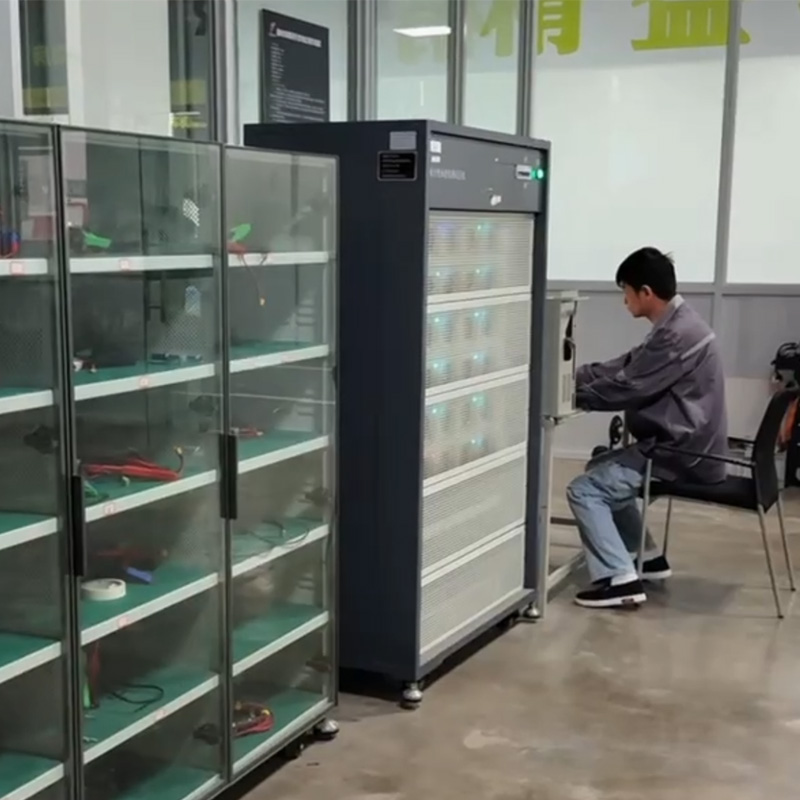
Constant Temperature and Humidity Chamber
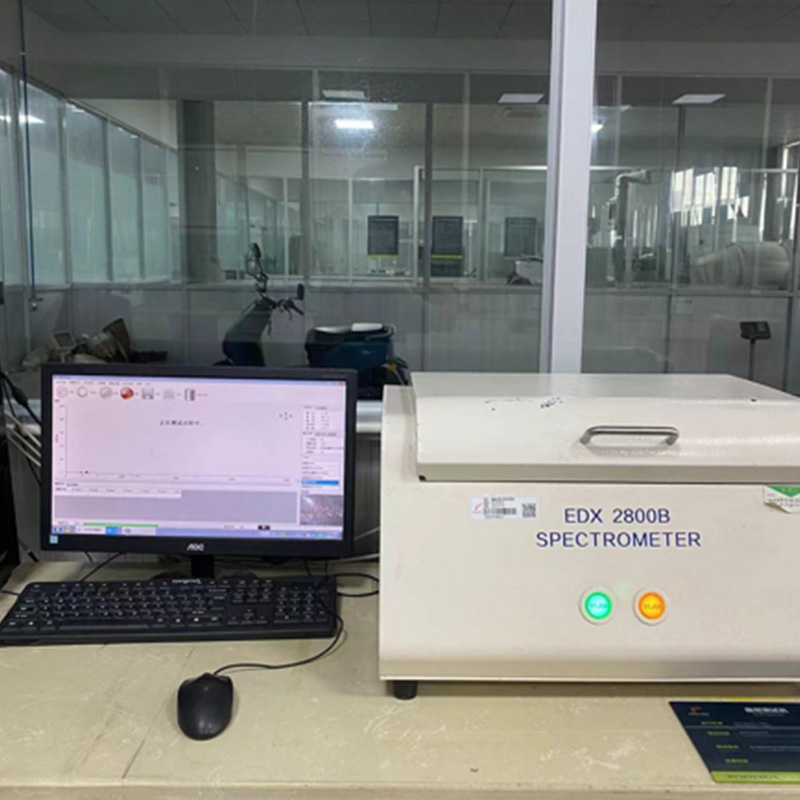
X-Ray Fluorescence
Spectrometer
………
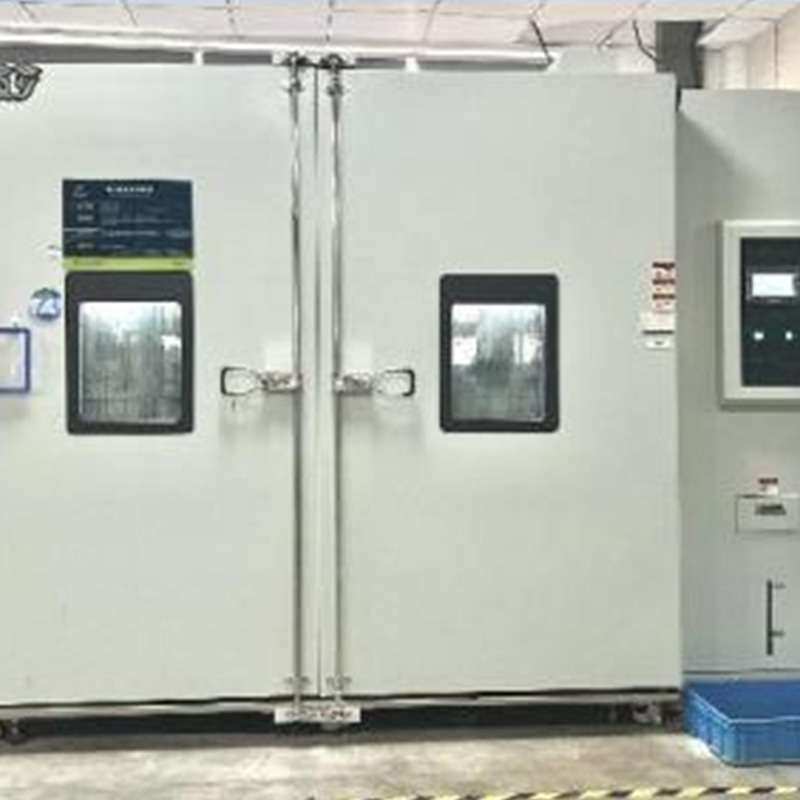
High and Low Temperature Testing Machine
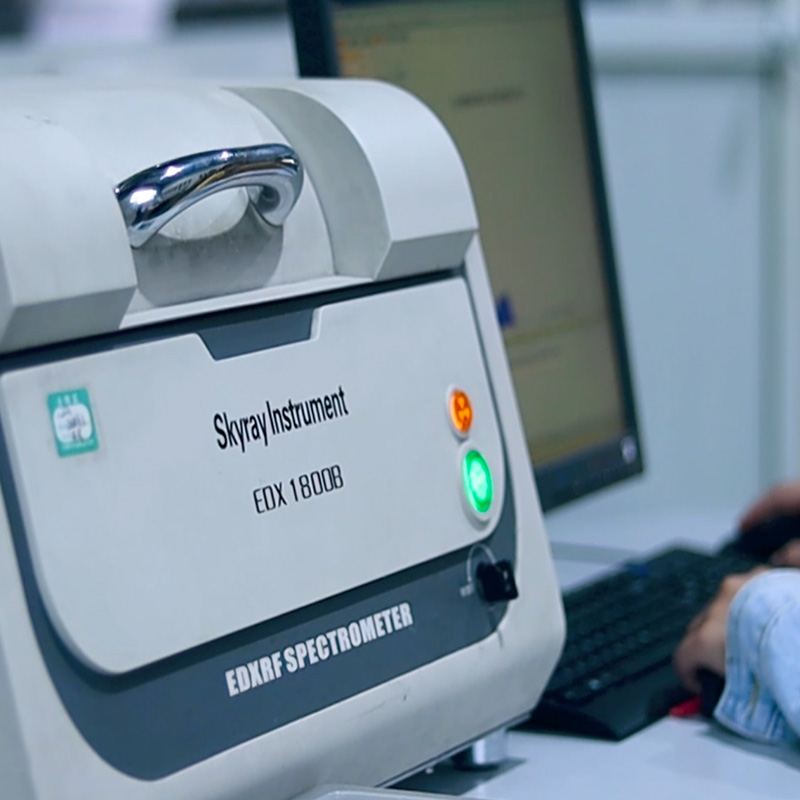
X-Ray Fluorescence Spectrometer
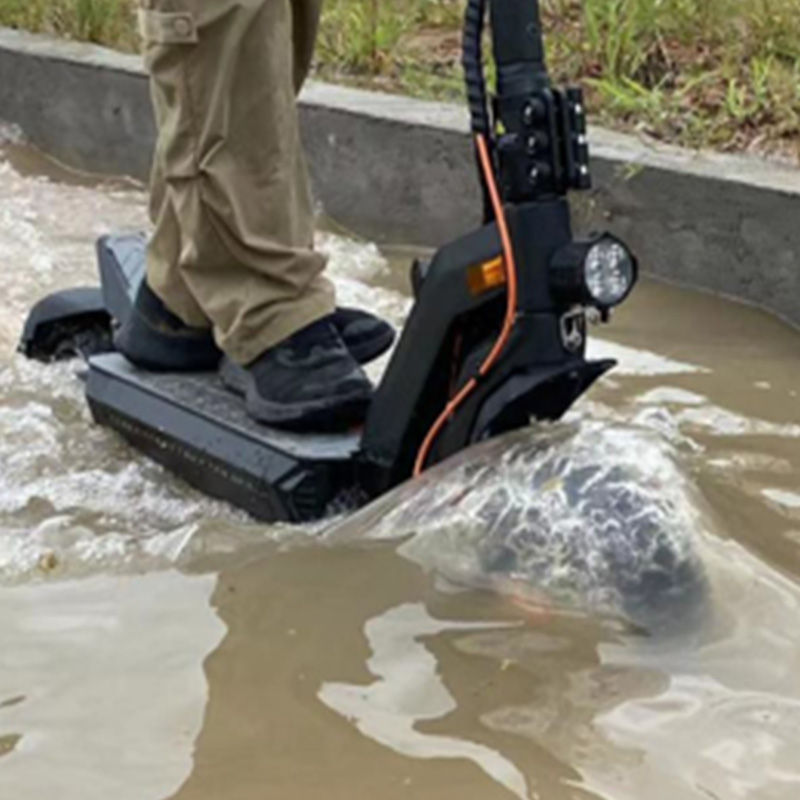
Ditch Riding
Test
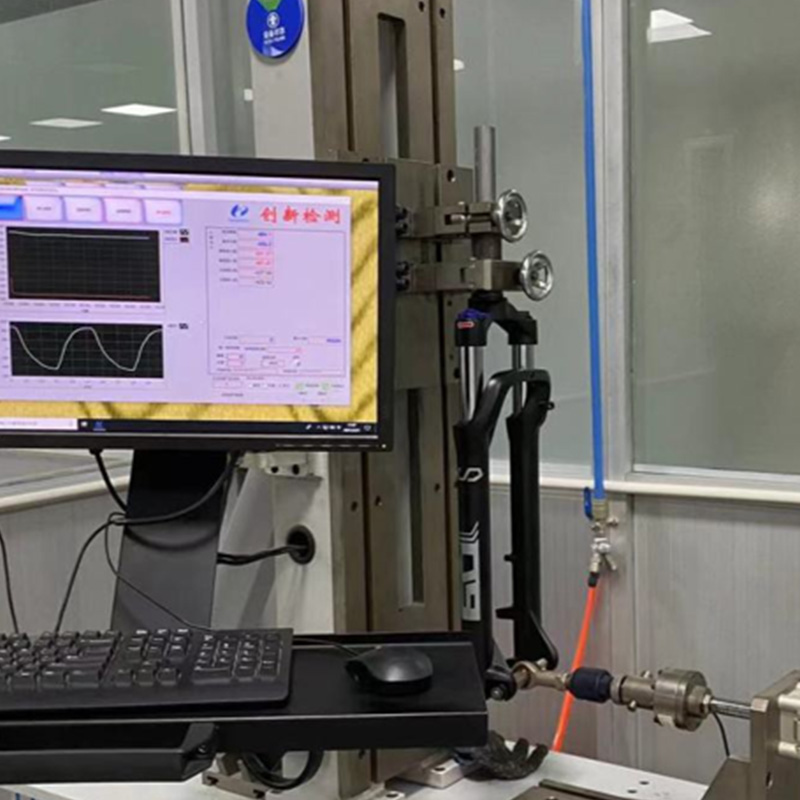
Frame Performance Test
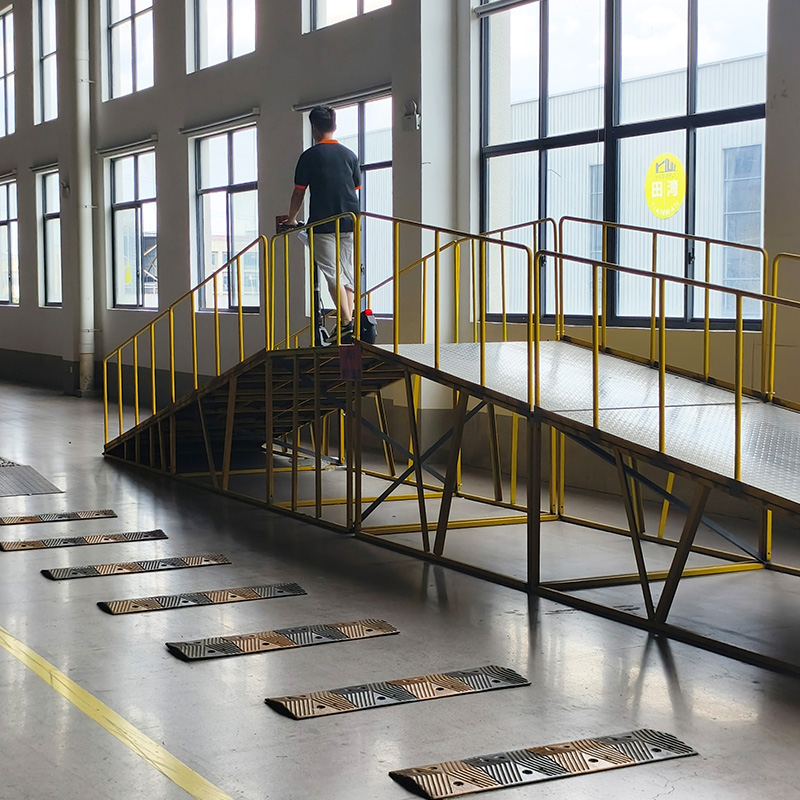
Climbing Performance
What Do We Test?
-
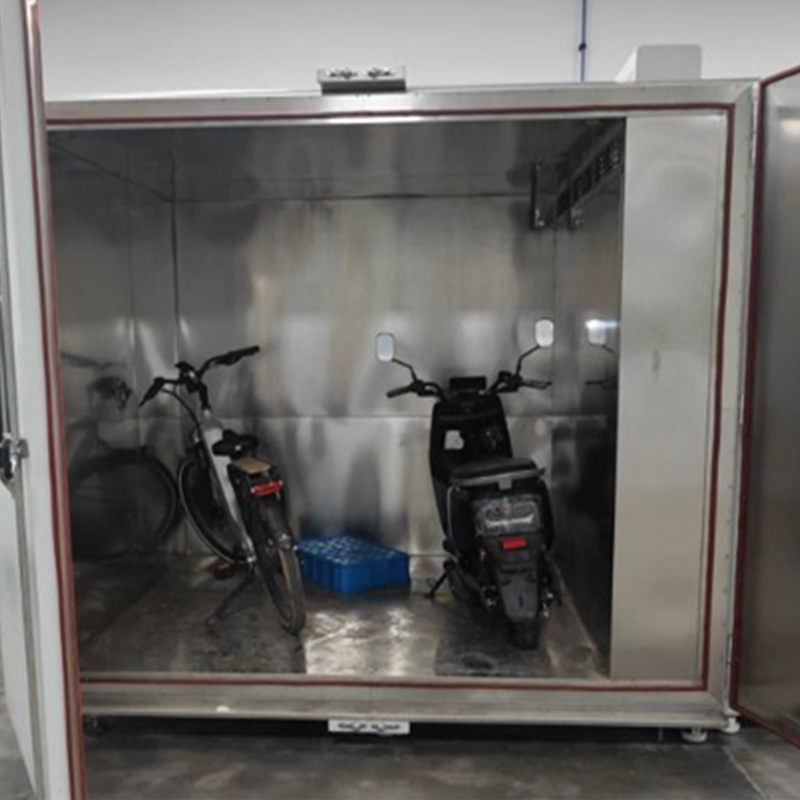
High-Low Temperature Room Testing
-
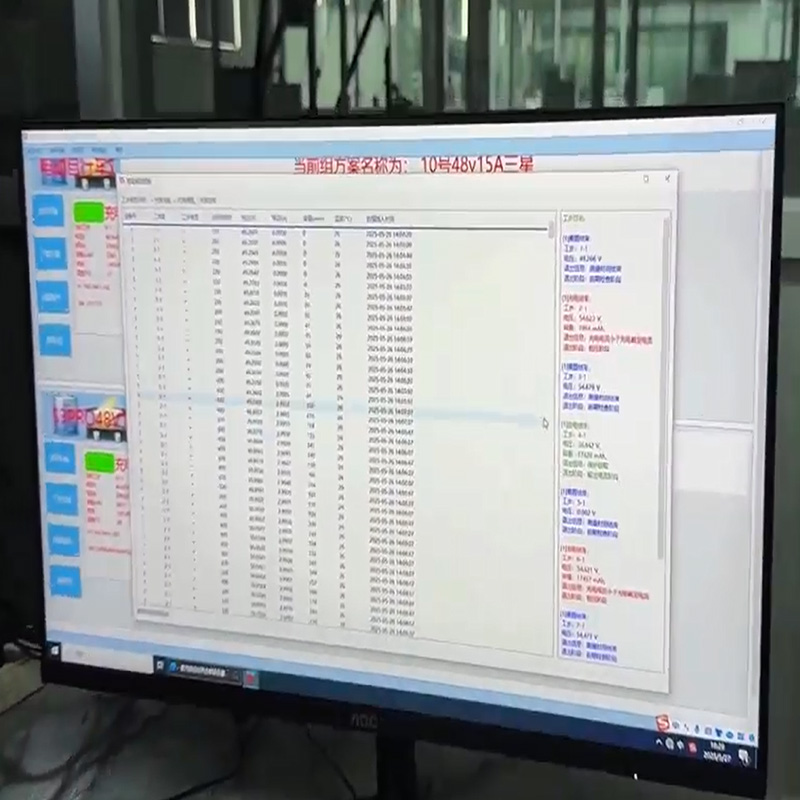
Battery Charge and Discharge Testing
-
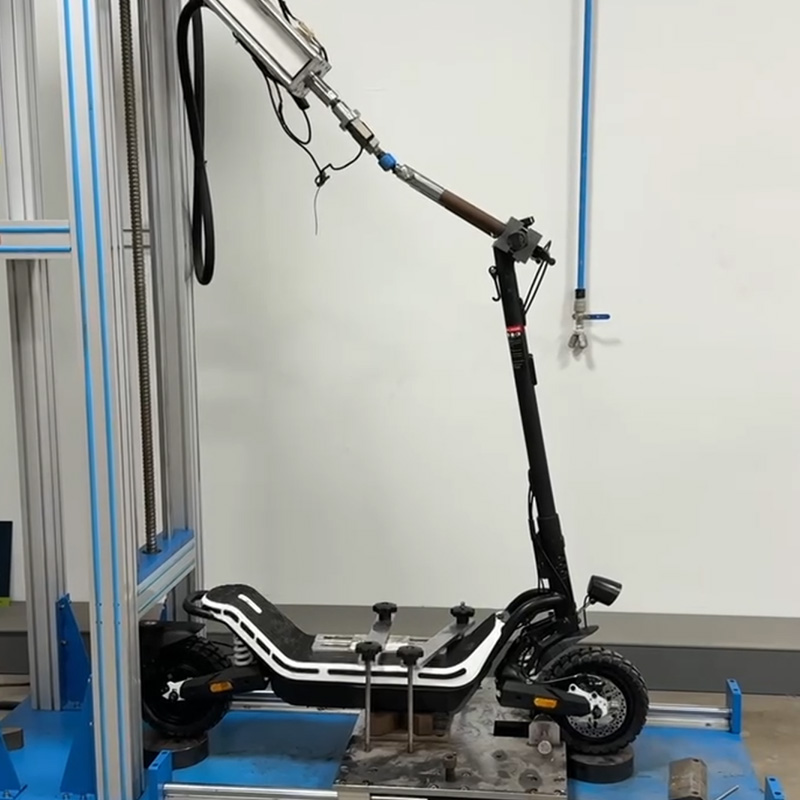
Handlebar Fatigue Testing
………….. -
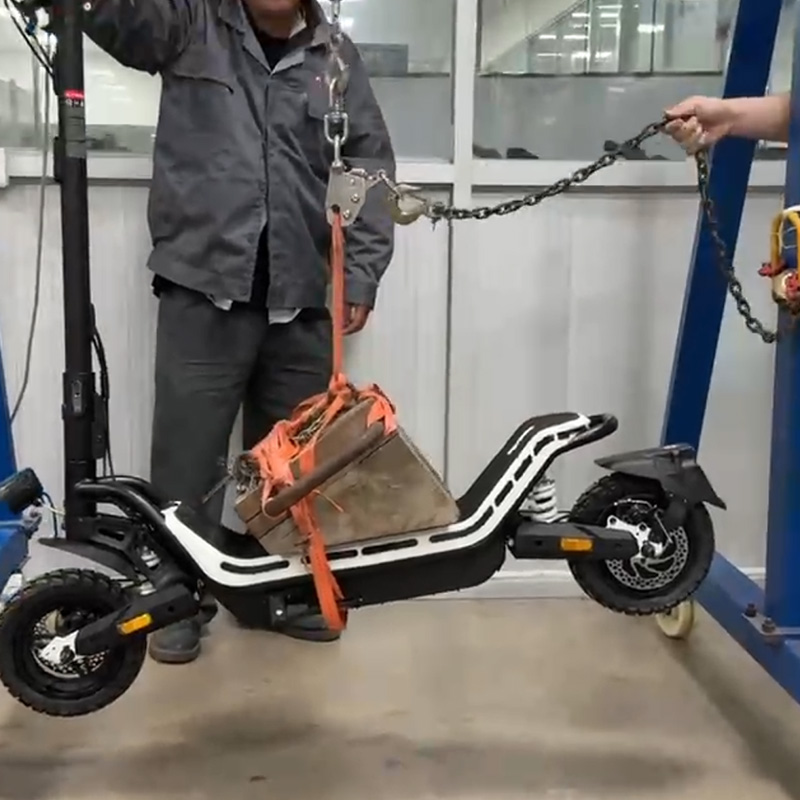
Drop Testing
………….. -
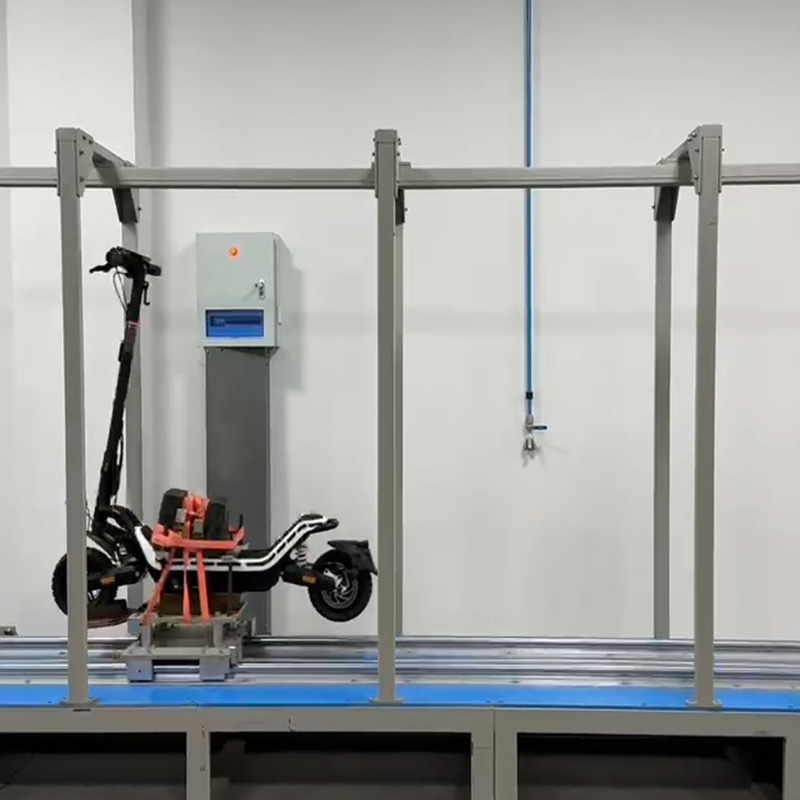
Impact Testing
………….. -
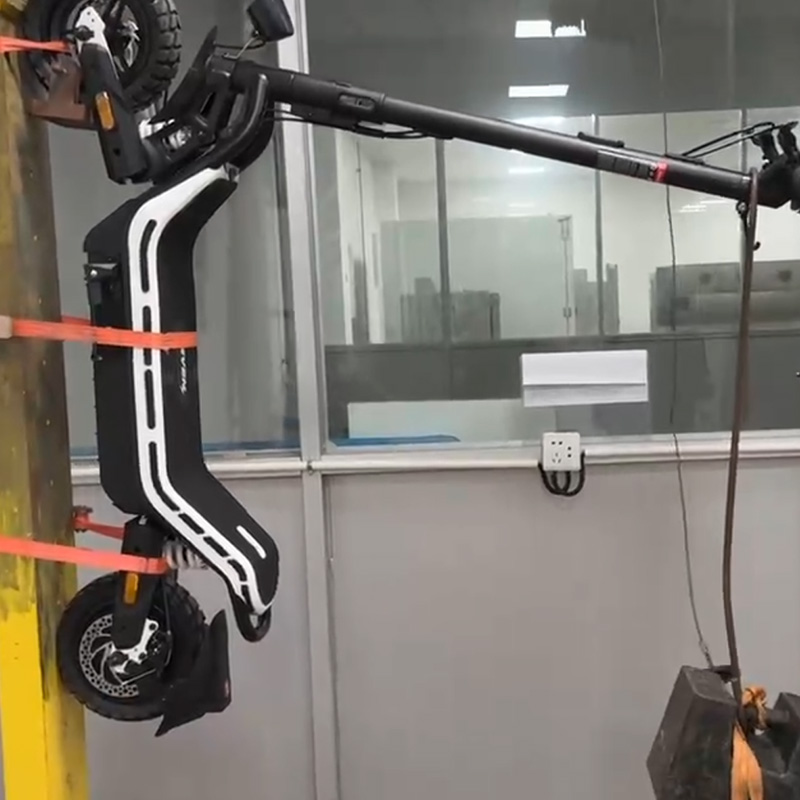
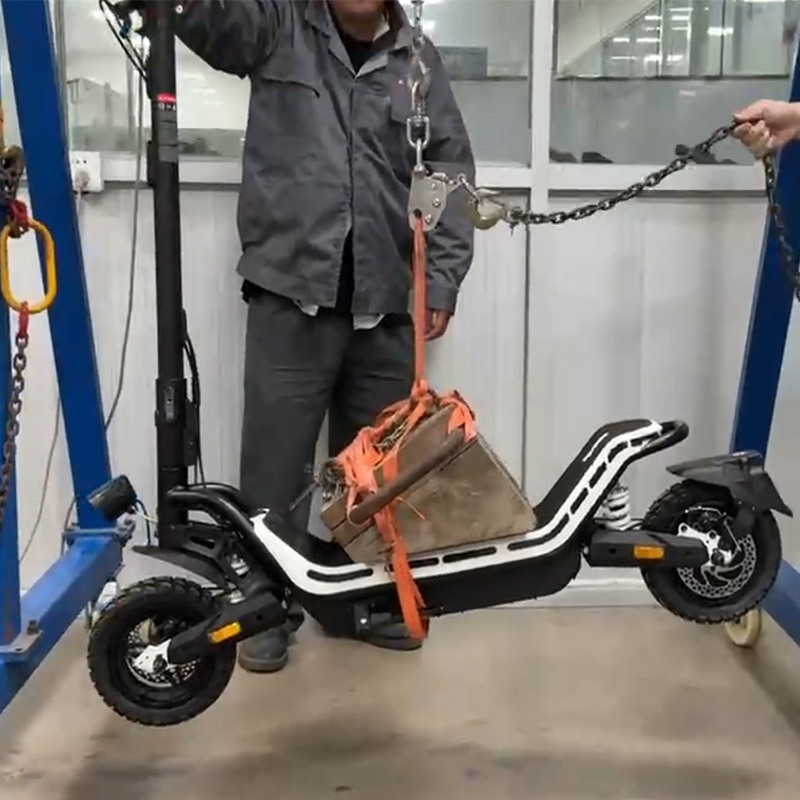
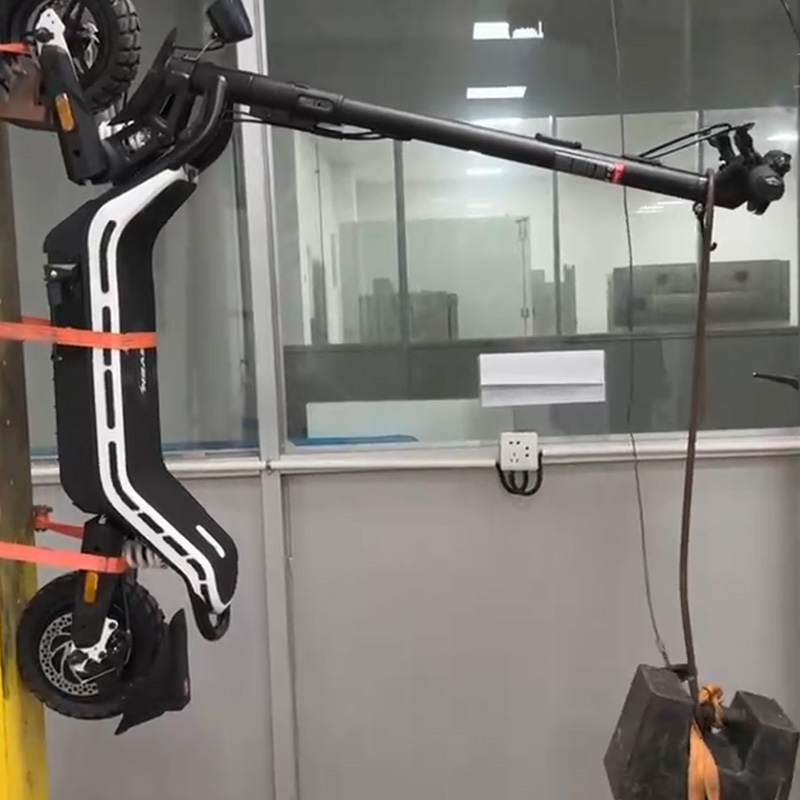
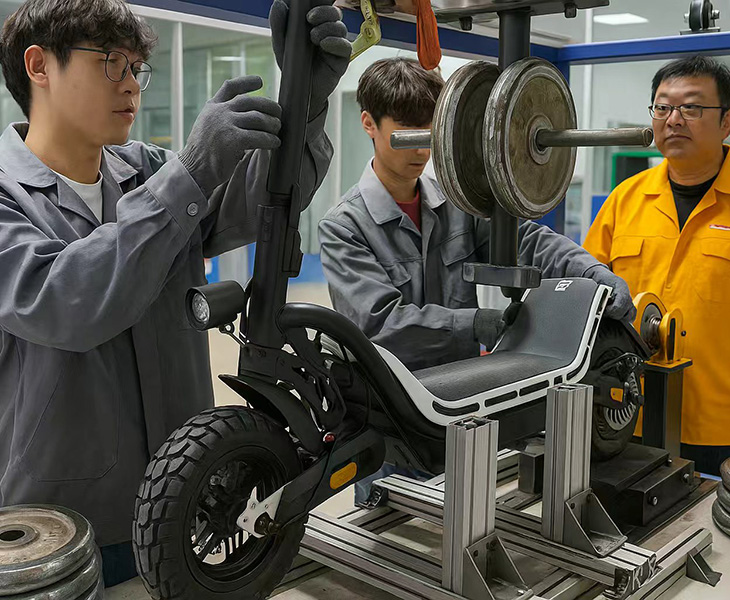
Handlebar Hanging Test
………….. -
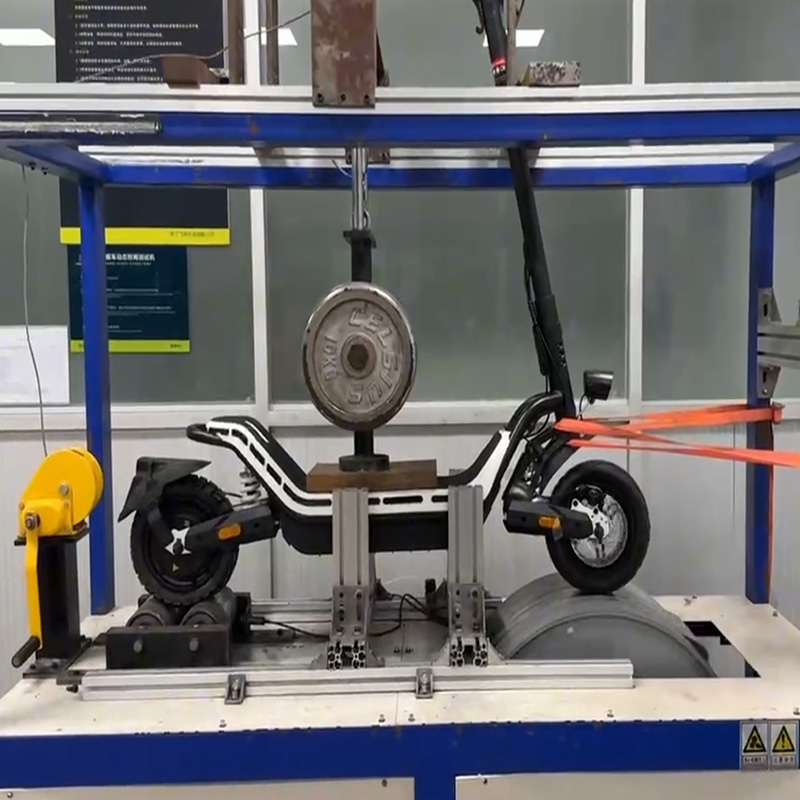
3 Brake Testing
………….. -
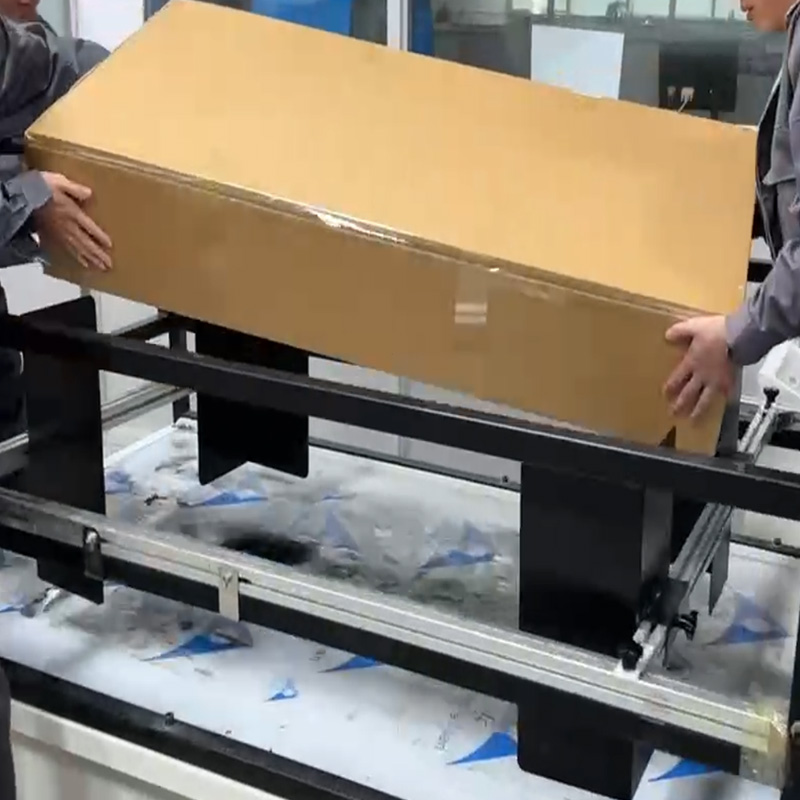
For Packing: Vibration Testing
………….. -
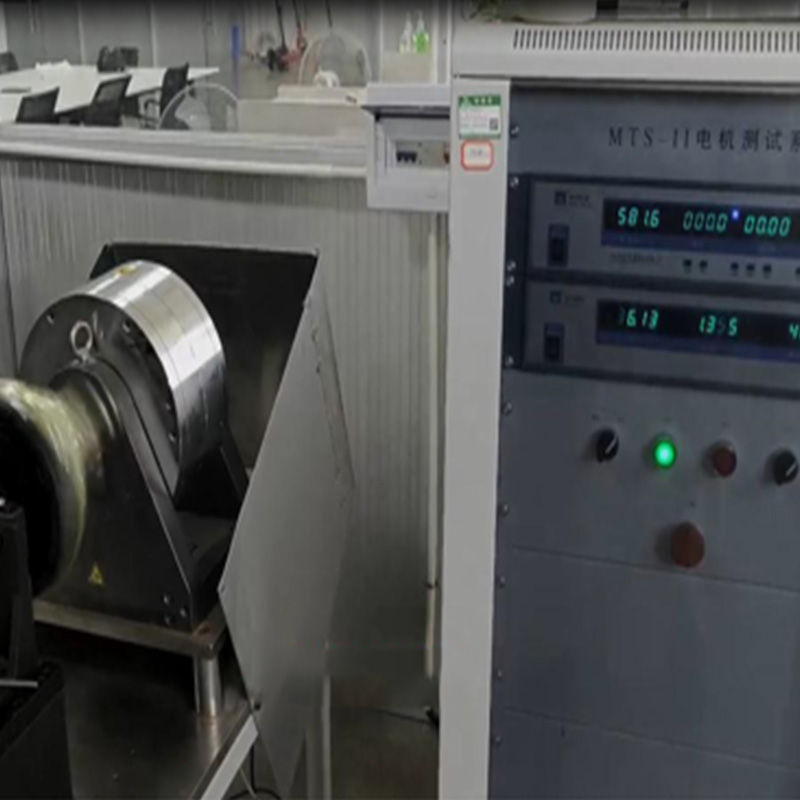
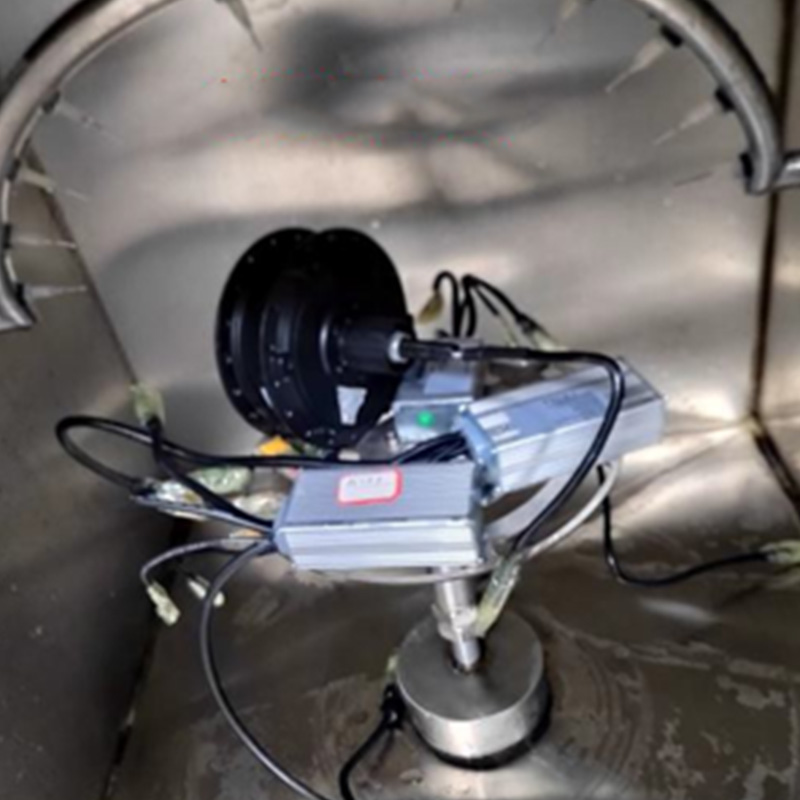
Motor Efficiency Testing
…………..
Our Daily Work
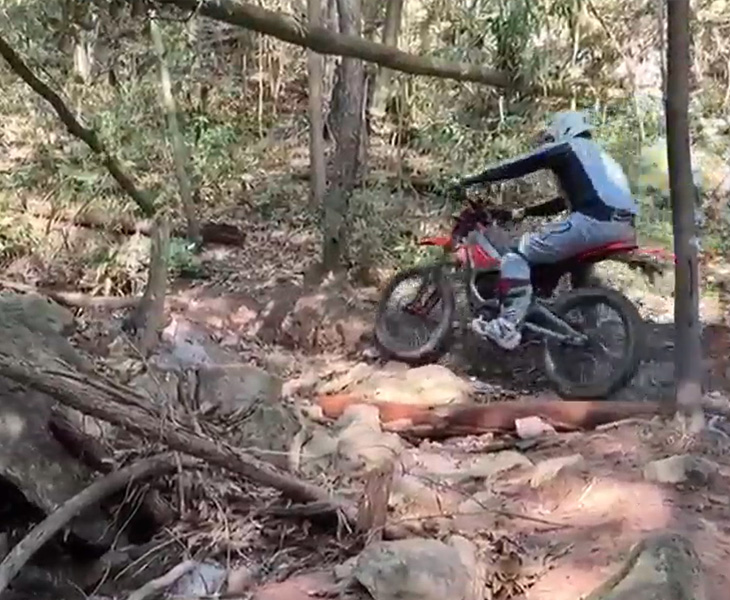
Daily, at least five team members conduct field tests across all terrains –asphalt roads, rocky paths, gravel trails, forest routes, and muddy tracks. Every sample of a new product must undergo 2,000 kilometers of road testing.
Our Responsibility
- Design Phase: Participate in product design to ensure the design is sound and effective.
- R&D Phase: Engage in test verification to ensure all components and the product as a whole meet standard testing requirements. Upon passing the tests, a 2,000-kilometer road test will be conducted.
- Product Certification Phase: Conduct preparatory work and preliminary assessments to predict whether the product meets certification standards.
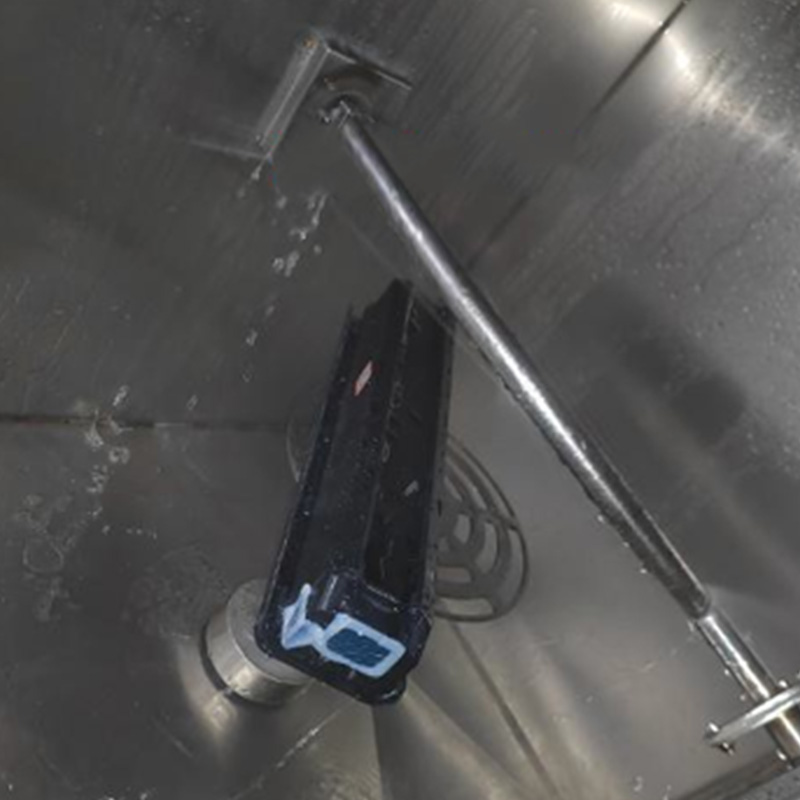
- Mass Production Phase: Support the production department in conducting various required tests, such as product water spray tests.
Indoor and Outdoor Riding Area
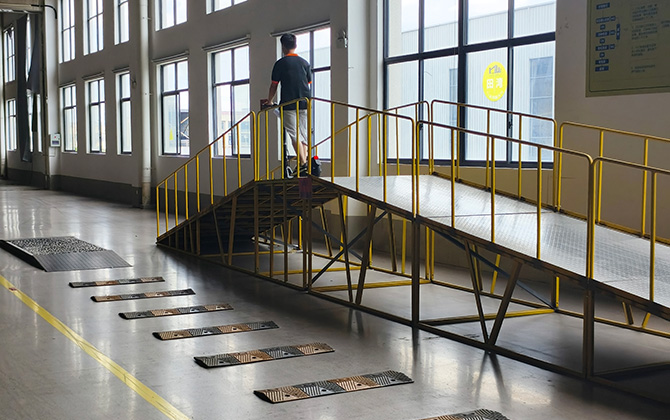
Our indoor riding area allows for immediate testing upon successful inspection after product assembly, ensuring the products function properly and increasing shipment efficiency.
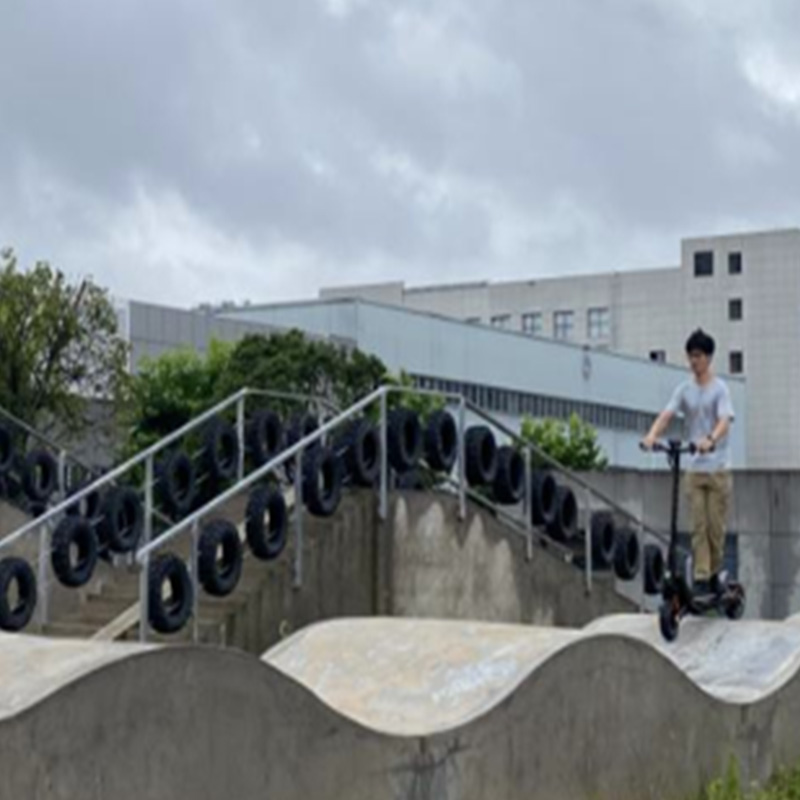
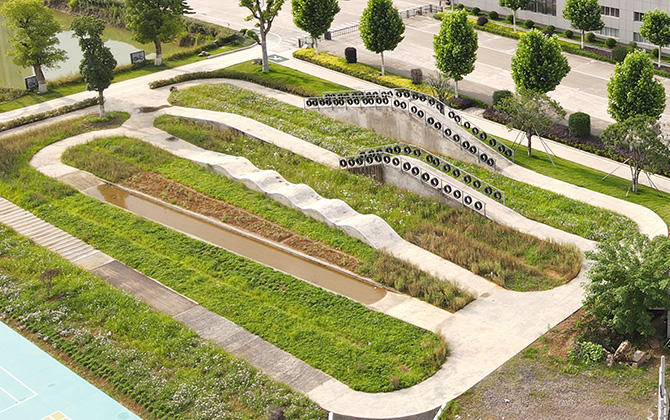
Our outdoor riding area simulates various road conditions such as ditches, uneven terrain, cobblestone sections, etc., forming a simple and effective full-route testing zone for convenient real-time product inspection.
Testing Video
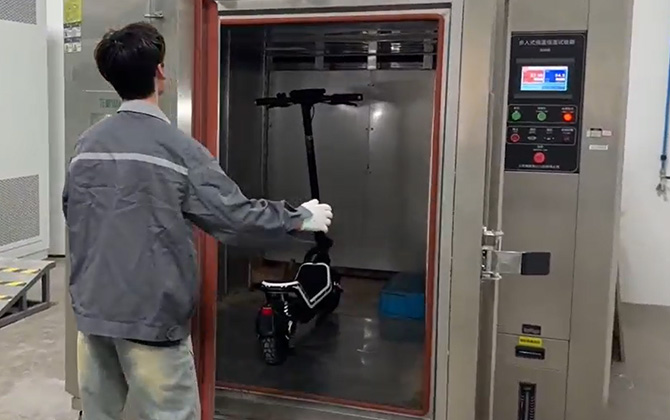
- Power off the sample & place it in the chamber.
- Condition: Lower to -20℃±2℃ and hold for 72
- Recovery: Remove sample & stand at ambient temp for 30
- Verification: Confirm normal operation and all electrical components are functional post-test.
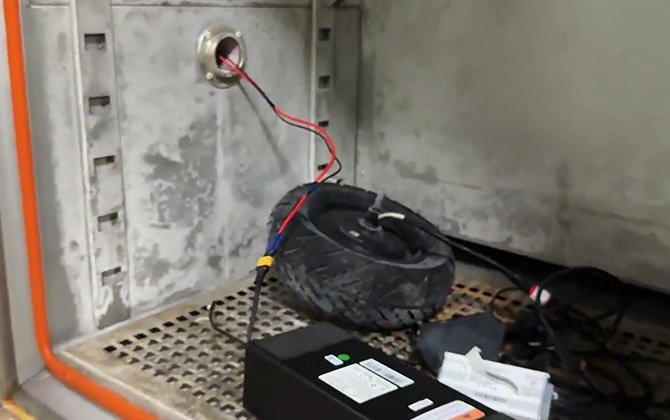
- Step 1: Place in test chamber at -20 ±3℃for 24h. (Initial: Battery fully charged.)
- Discharge Test 1 (-20℃): Attempt 0.5℃→ Result: Triggers Over-Temperature Protection (OTP), no discharge.
- Step 2: Reduce temperature to -10 ±3℃. Stabilize for 2h.
- Discharge Test 2 (-10℃): Attempt 0.5℃→Result: Discharges normally.
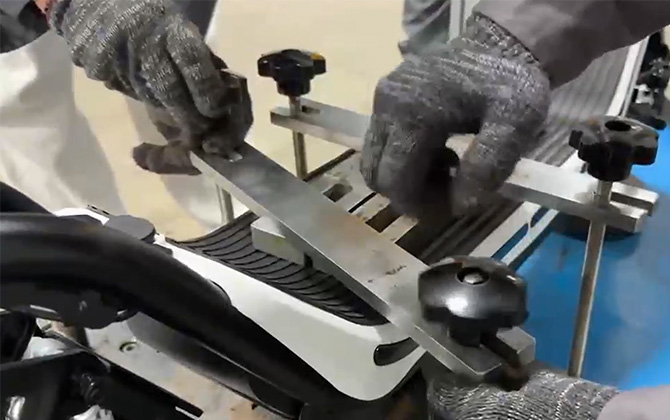
- Force Application:200 N applied 25 mm from the grip end, Push: 45° forward/down, Pull: 45° backward/up (horizontal reference)
- Frequency: < 3 Hz
- Cycle Definition: 1 cycle = 1 push + 1 pull
- Total Cycles: 50,000 reps
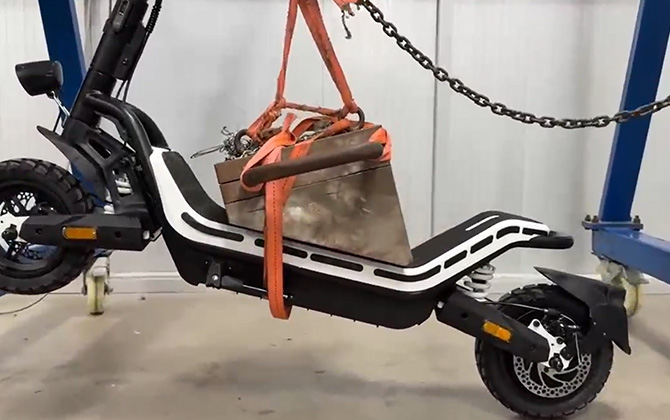
- Place the maximum product load capacity (100 kg) on the pedal.
- Lift the front wheel 150 mm and the rear wheel 300 mm off the ground, then release for a free-fall drop. Repeat 3 times.
- Adjust lifting heights: Front wheel 300 mm and rear wheel 150 mm, then release. Repeat 3 times.
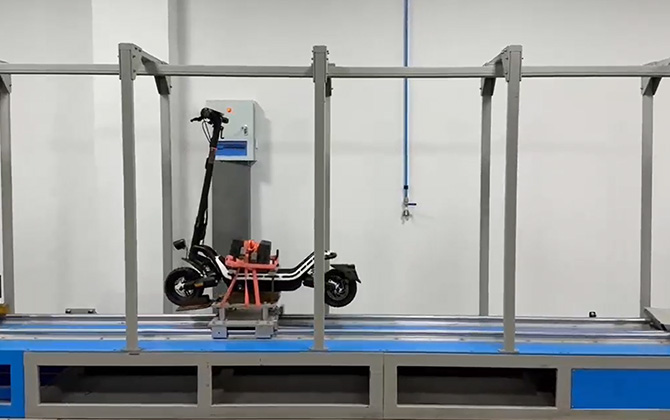
- Test Execution: Place max design load on pedal center, Drive forward at 7.2 km/h (2 m/s), Collide front wheel with vertical rigid obstacle, Repeat ×3 times
- Post-Test Inspection:
Front Wheel/Fork: Zero cracks/fractures in wheel or fork assembly
Frame: No cracks/splintering & No deformation risking battery hazards
Components: Exterior plastics: No splintering & Structural parts: No breakage/fractures
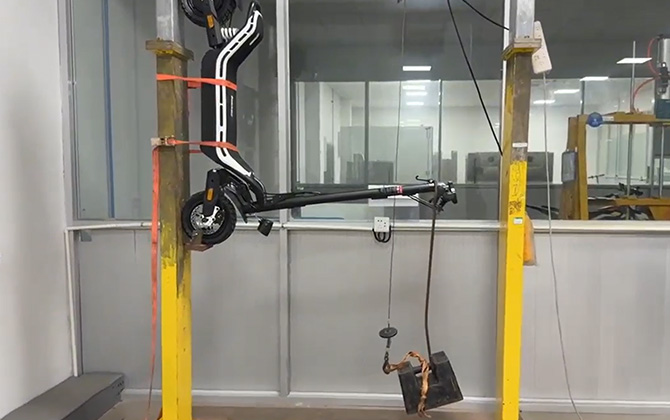
- 25kg Load Test: Apply 25kg at 25mm from both grip ends,
Directions: Forward (straight ahead), Backward (straight behind), Upward (vertical)
Hold 5 minutes per direction → Remove load
- 25kg+ Downward Load Test: Apply starting at 25kg (increment by 50kg steps)
Position: Same as above, Direction: Downward (vertical)
Hold 5 minutes per load step → Remove load
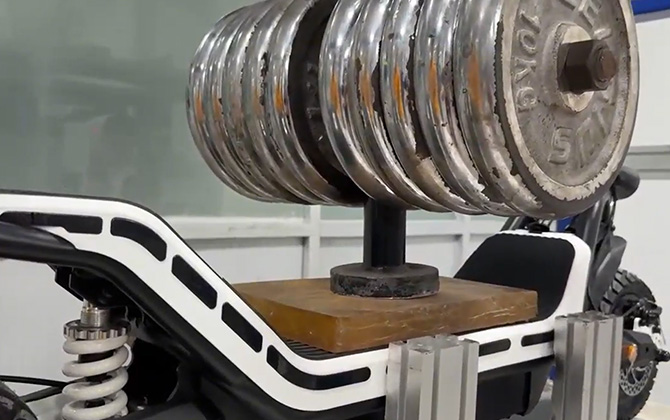
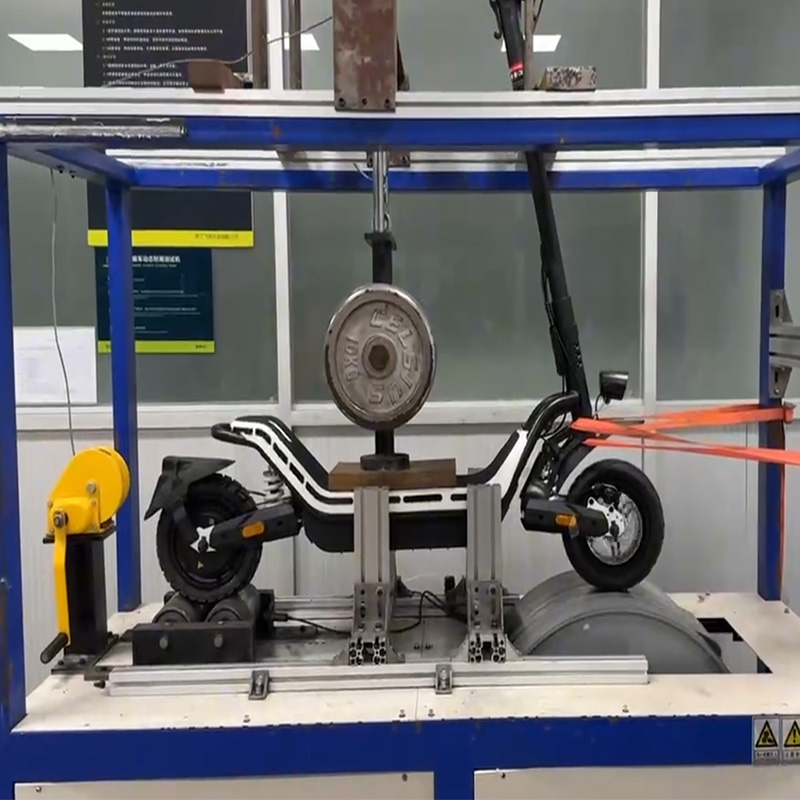
- Test Setup: Mount 100kg counterweight, Apply 5kg load at 25mm from each grip end
- Roller Machine: Speed: 7 km/h, Roller diameter: 700 mm, Install three 15 mm blocks (evenly spaced)
- Procedure: Run 720 km total distance, inspect all components and the vehicle for damage/failures. If no issues: Repeat test for an additional 50 km
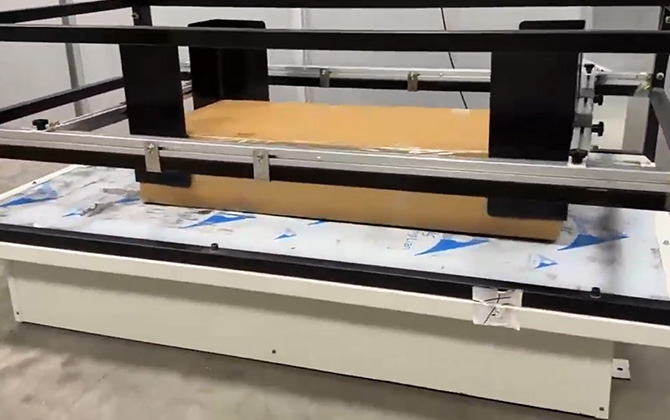
- Purpose: Simulate transport vibration conditions & Test durability of: packaging, components, devices, products
- Functionality: Replicate transit vibration scenarios: Road-induced shocks & Handling vibrations
- Evaluation Criteria: Vibration resistance (withstand without damage) & Structural strength (robustness under stress)
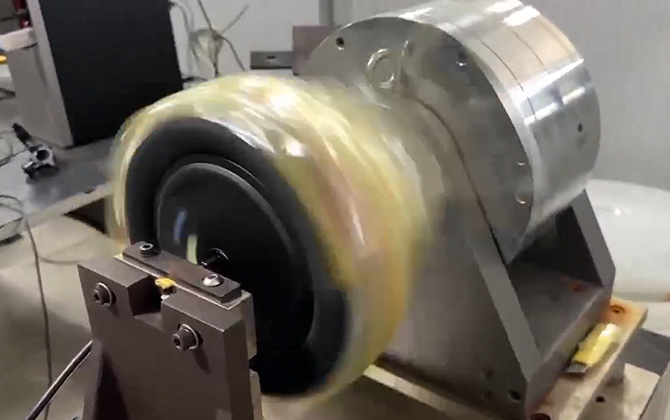
- Purpose: This instrument is designed to measure the output power of electric motors by calculating the motor’s torque and rotational speed.
- Measurement Method: Measures the motor’s output torque and rotational speed (RPM). Computes the output power based on these parameters.
Key Applications: Motor performance assessment and operational analysis, & Data-driven maintenance and efficiency optimization